Getting Started in Everveil
From character create to first bosses—without wasting your early spins.
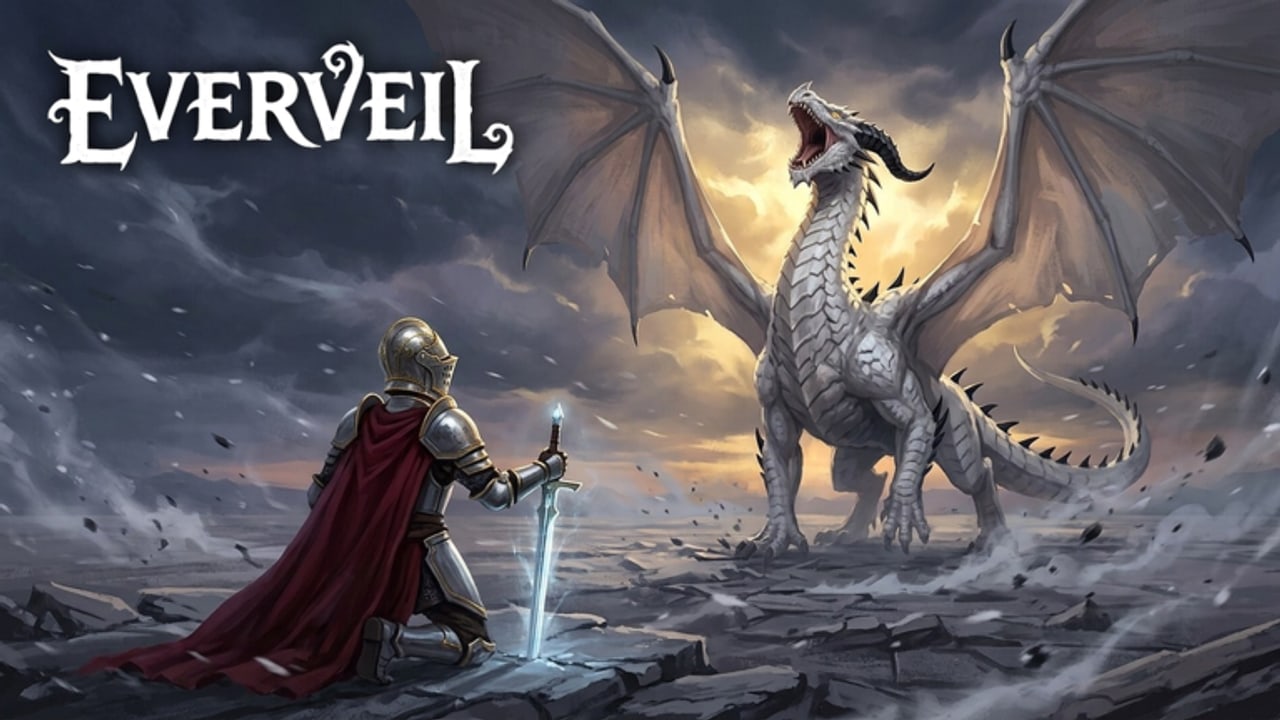
Everveil is a fantasy RPG on Roblox built around exploration, elemental magic, and gear progression. On day one you create a character, join the official group, claim free codes, roll one of fourteen elements, learn your first spells, and start collecting swords and armor. This guide walks that first session in order so you do not burn rerolls or ignore systems that matter later—forging, fishing, mounts, the auction house, and exclusive first-owner legendary titles.
Open the game from Play on Roblox when you are ready to follow along. Keep this wiki tab nearby for Codes, Controls, and the element tier list.
Create your character and join the group
Launch Everveil and complete character creation. Cosmetics matter less than readiness: you will spend most of the early game learning menus, combat timing, and where quests send you. Immediately join the Everveil official Roblox group. Many codes—including milestone and update codes—require group membership before they redeem. Skipping the group is the most common day-one mistake.
After you load in, take thirty seconds to open every major menu once so nothing feels mysterious mid-fight. You will use inventory, journal, codex, map, talents, and potions constantly.
Redeem codes before you grind
Codes grant element spins or rerolls, temporary luck or mastery boosts, and titles. Claim them at the start of a session so boosts cover your first quests and spins. Full lists and redemption steps live on the Codes page; treat that page as live truth when a code expires.
Typical early rewards include element rerolls and short 2x windows. Use luck windows when you are about to spin or farm rare drops, and mastery or EXP windows when you are clearing a dense quest chain. Do not sit in town with a boost ticking down.
Roll and understand your element
Everveil’s identity is the fourteen-element roll. Your element decides which spells you learn and how your midgame kit feels. Spin with intention: read what you got, try the starter moves in a safe area, then decide whether to keep or reroll. Blindly dumping every free spin in the first five minutes often locks you into something you dislike before you understand combat.
Cross-check the element tier list after your first hour, not before you know whether you prefer melee swords, staff pressure, or hybrid play. Tiers shift with patches—Leviathan added moves such as Void’s Abyssal Maw, Black Star, a three-lash Thornwhip, and Thornwake’s Forest Colossus—so meta notes matter more after you can actually cast.
Learn combat without dying to the UI
Default PC flow uses WASD to move, Space to jump, left click to attack, number keys to swap sword, staff, or tool, Z X C V for moves and spells, Q to dash, F to block, Shift to sprint, Ctrl for shift-lock, and E to interact. Full detail—including Leviathan remapping and sprint toggle behavior—is on the Controls page. Memorize dash and block first; everything else can wait until your second session.
Practice canceling a whiffed swing into a dash, then blocking a telegraphed hit. Everveil bosses punish greedy animation locks. Early mobs are the gym; treat them that way.
Early quests, bounties, and where to ride
Follow the first quest markers until you understand how objectives, turn-ins, and rewards feel. Quests and bounties are your reliable source of materials, currency, and direction while the map still looks huge. Clear nearby objectives in batches instead of crisscrossing the map for one step each.
When the horse unlocks, press R to mount and use it for travel between clusters of markers. Dismount before tight combat. A mount does not replace map knowledge—open G regularly, mark where vendors and forge NPCs live, and build a mental loop: quests → materials → forge → next quest hub.
Inventory, journal, codex, map, and talents
Learn the hotkeys early so you stop hunting buttons mid-combat:
- M — inventory and gear swaps
- H — potions
- J — journal for quest tracking
- K — codex for systems and discoveries
- G — map
- N — talents
- Y — finish interactions when prompted
- T — carry objects when a quest asks
Open the codex whenever you unlock a new system (fishing, forging, auction house). Journal completions should funnel into either better gear or better element mastery—not random side clutter until your main kit feels stable.
Gear loop in the first two hours
Pick up swords and armor drops, compare stats, and visit forge and enchant NPCs as soon as they appear in your quest flow. You do not need a perfect Divine blade on day one, but you do need a habit: salvage or sell junk, upgrade what you actually equip, and reserve currency for enchants that match your element. Deep guidance lives in Forging and Enchanting.
Keep one melee option and one staff or tool option hotkeyed (1 / 2 / 3) so you can adapt when a fight wants range or a utility tool. Auction house browsing can wait until you know price ranges; buying random legendaries early usually wastes gold better spent on enchants and potions.
Optional systems that pay off soon
Fishing looks like a side activity until the Leviathan update. Every cast has a tiny chance to hook a party-scale threat that can reward the Divine sword Abyssal Devastator. Learn the fishing basics early so you are not confused when the rare hook happens—details in Fishing and Leviathan and the Leviathan update notes.
Boss curiosity is healthy, but do not hard-commit to White Death, Grimhide, or Cerberus until your potions, dashes, and forged kit are comfortable. Skim Bosses and the dedicated White Death page so you know what you are saving toward.
First-session checklist
- Create character and join the Everveil official group.
- Redeem every working code on Codes.
- Roll an element; test spells; reroll only with intent.
- Clear the starter quest chain; batch markers geographically.
- Learn dash, block, sprint toggle, and remapping from Controls.
- Unlock mount travel; set a forge-and-quest loop.
- Open inventory, journal, codex, map, and talents until the keys are muscle memory.
- Enchant your real loadout once—not every trash drop.
- Bookmark Tier List, Bosses, and Forging and Enchanting.
- End the session with a short fishing attempt so the minigame feels familiar.
Where to go next
If your element feels weak, study the tier list and spend leftover spins during a luck boost. If combat feels clumsy, remapping keys after Leviathan often fixes more than a new sword. If you have friends online, schedule a boss or a Leviathan fishing session. If you play solo, push forging and quest mastery until your kit can survive learning telegraphs.
Everveil rewards players who treat the first hour as setup for systems that compound: codes, element choice, controls comfort, forge discipline, and map literacy. Finish those, and White Death craft routes, auction snipes, and Divine sword hooks stop feeling random.
Frequently Asked Questions
Quick answers to the most common Everveil questions.
Do I need to join the Everveil group?
Yes. Many codes require membership in the Everveil official Roblox group before they redeem.
Should I reroll my element immediately?
Test starter spells first, then consult the tier list. Blind rerolls waste free spins you need for intentional choices.
What should I do after the tutorial quests?
Batch nearby quests, forge and enchant a real loadout, learn controls remapping, then choose bosses or fishing with a party.
Where do I redeem Everveil codes?
Use the in-game codes entry (often near spin or customize UI). Steps and active lists are maintained on the Codes page.